
What is a lease-up apartment?
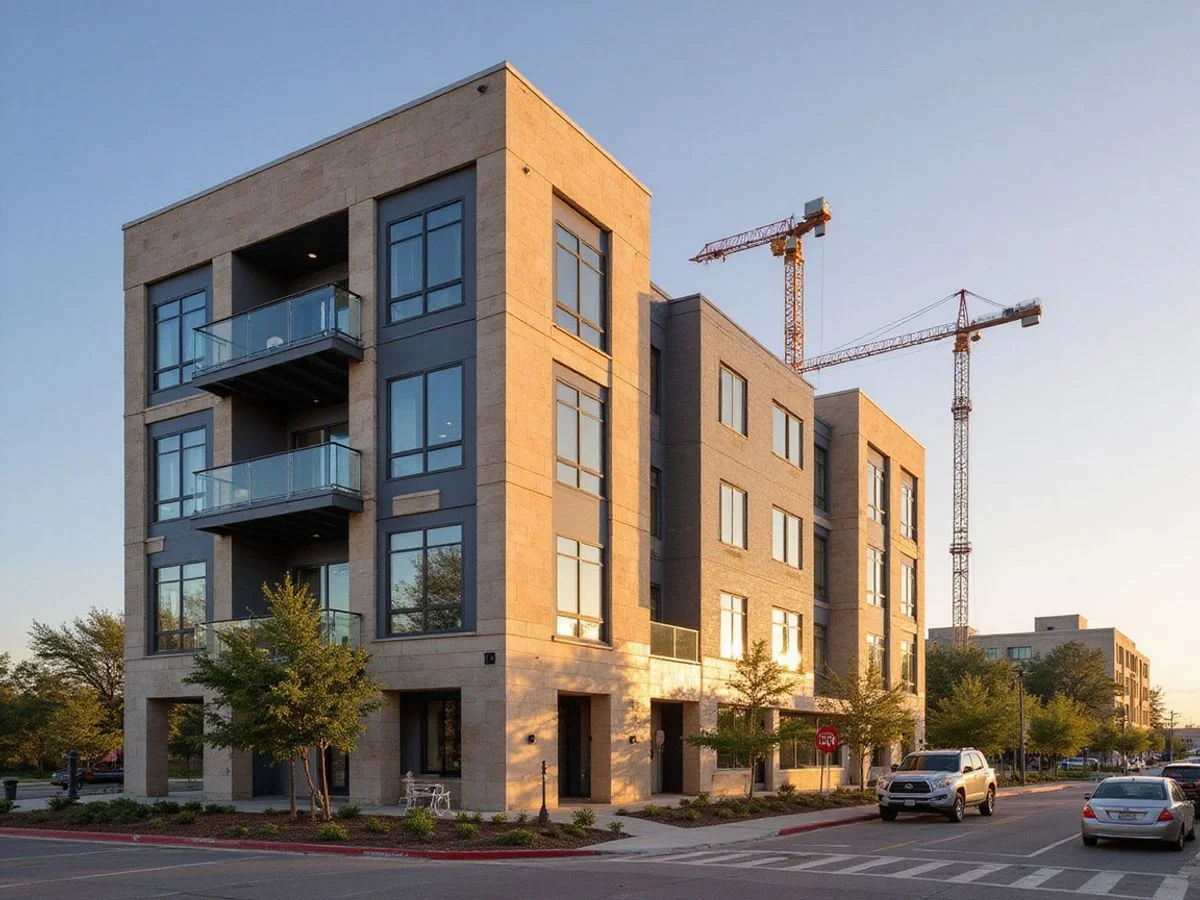
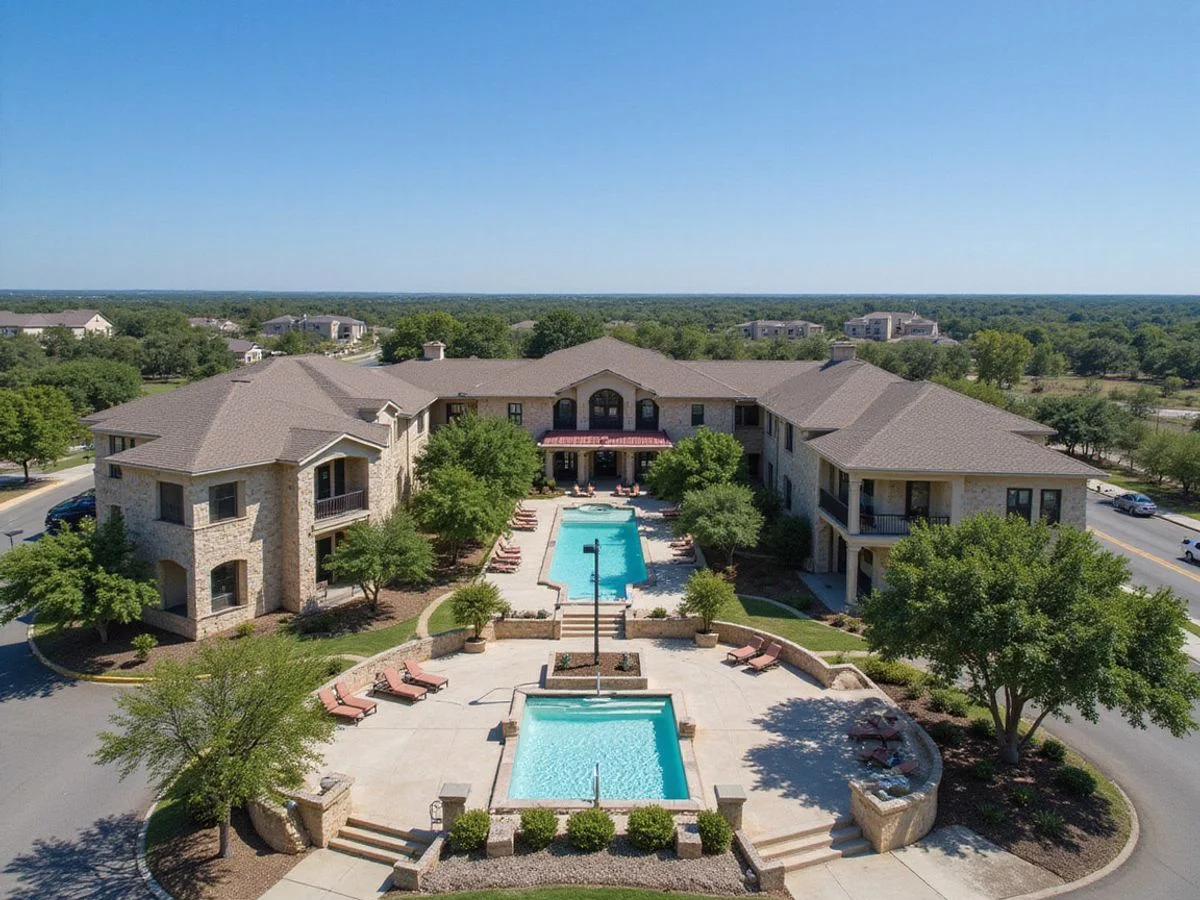
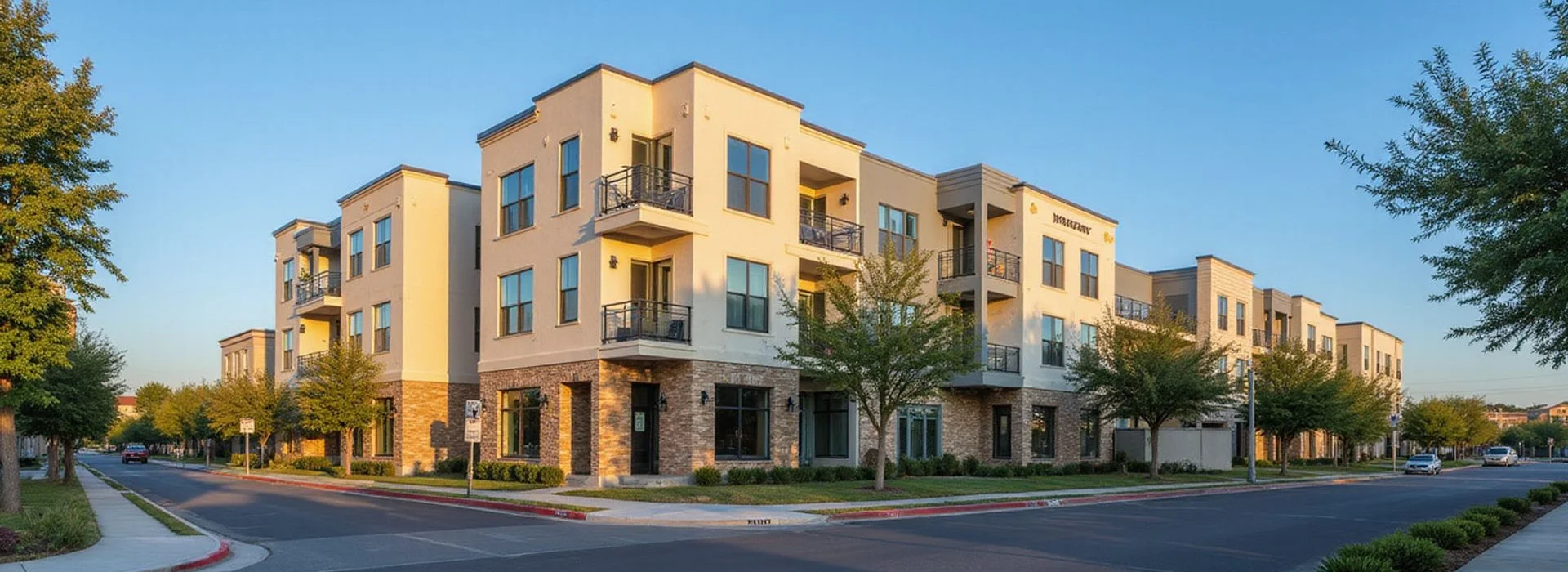
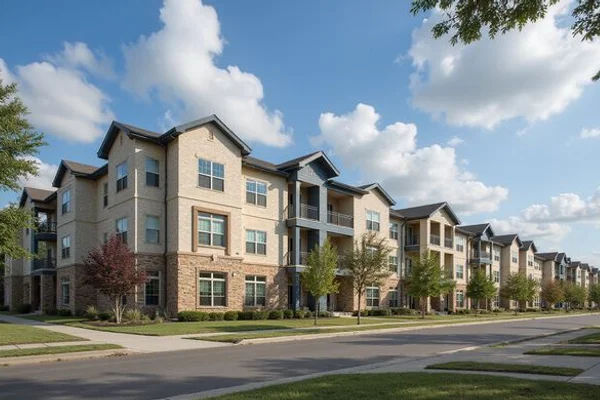
A lease-up building is a new community that has received its Certificate of Occupancy and is filling its first units. Lease-up runs from the first move-ins until the building reaches stabilization, the point where occupancy levels off. In a market where vacancy counting lease-ups was 14.9% in Q3 2026 (CoStar via San Antonio Report), many San Antonio buildings stay in lease-up for a long time.
For you, lease-up matters for one reason: it’s when specials tend to run deepest. A building that’s 40% leased needs to fill units faster than one that’s 90% leased, and concession depth reflects that. Our guide on what lease-up means covers the stages in more detail.
Why do specials run deepest during lease-up?
New buildings carry construction loans and need to show steady leasing. The occupancy ramp is the main thing owners watch. Concessions are the fastest lever to pull, so weeks free tend to grow when leasing slows and shrink as the building fills.
On our board, the median special was 8.7 weeks on Oct 25, 2026, and 60% of listings offered 8 weeks or more. Lease-up buildings make up much of that group. The trade-off is the renewal baseline: year two is priced from base rent, and the deeper the special, the bigger the jump.
What does each lease-up card show?
- Stage. Pre-leasing, early lease-up, late lease-up, or stabilizing, with percent leased when the feed carries it.
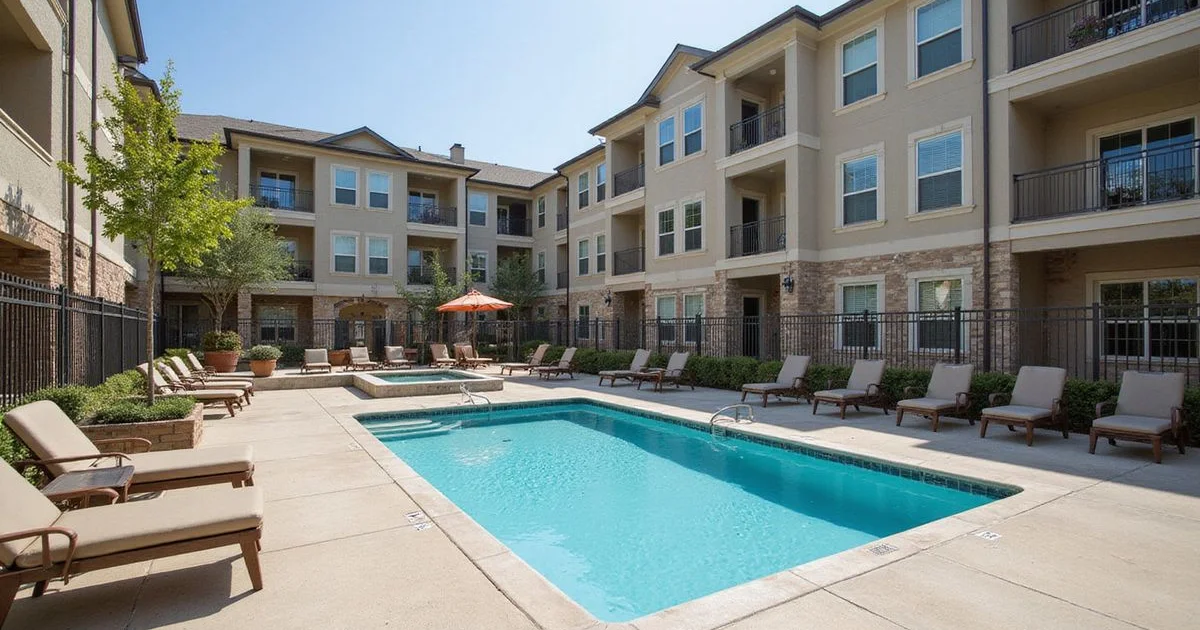
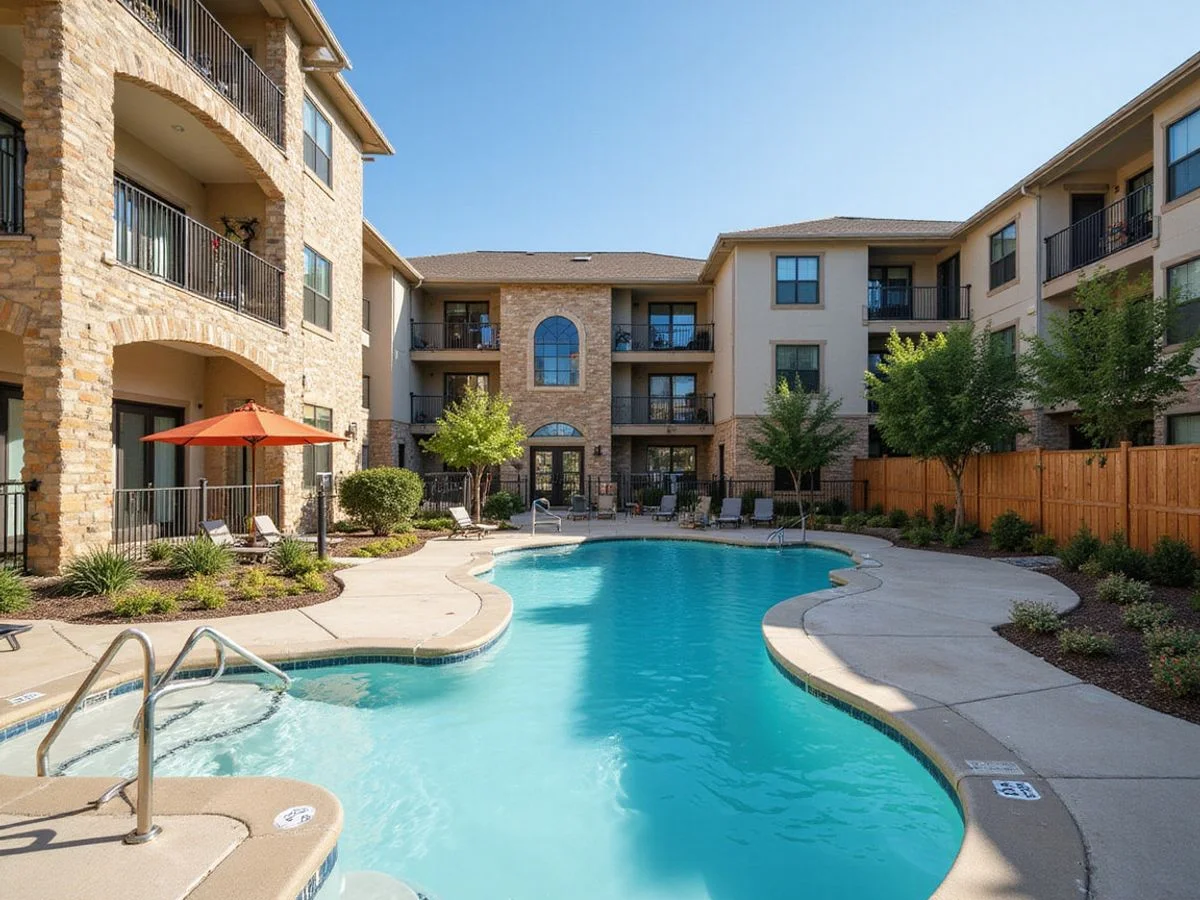
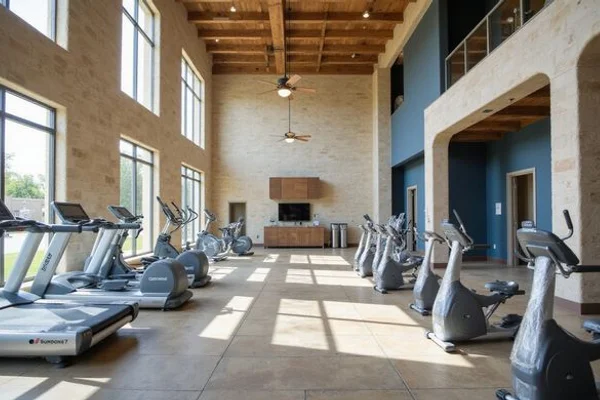
- What’s finished. The pool, gym, garages, package room, and other amenities, marked finished or pending.
- The current special. With base rent beside it and the end date.
- Year-two risk. The renewal price at 0% and +3%, so the jump is visible before you sign.
- Construction phases next door. If a second phase is going up beside the first, we note it.
What’s it like to live in a building still in lease-up?
Mostly good, with a few things to plan for. New finishes, new appliances, and modern sound ratings come with the territory. So do some first-year defects. Doors may need adjusting, drains may run slow, and the HVAC may need tuning through the first summer.
The fix is paperwork. Photograph every room at move-in and turn in the move-in condition form, the TAA inventory form, typically within 48 hours. Submit work orders in writing and track the work order response time. Warranty repairs are the community’s job. We check in at Day 7 and Day 30 to make sure your punch list is moving. Our guide on living in a lease-up building walks through it.
When does lease-up make sense for you?
Lease-up fits well if you want the deepest year-one savings, you’re comfortable with some amenities finishing after you move in, and you plan for year two from day one. It fits less well if you need every amenity open on move-in day, or if your budget can’t absorb a 20% jump at month 13.
If you’re on the fence, compare a lease-up building against a stabilized new build on a 24-month total. Our specials page shows that math side by side.
How we help with lease-up buildings
We confirm the stage and what’s finished with the leasing office, in writing, before you sign. We show year two beside every special. We note construction next door. After you move in, we follow up on punch-list items at Day 7 and Day 30, and we run a Renewal Check at month 10 so the jump doesn’t catch you off guard.